The physical environment where your team spends forty hours a week is more than just a backdrop. It is a silent communicator of your company’s health. If your office walls are a flat, clinical white, you may be dealing with the “Sterile Hospital” effect. This aesthetic void often leads to sensory deprivation, making employees feel disconnected from the brand mission.
Investment in your physical space is an investment in your people. Large-scale imagery and thoughtful signage do more than decorate. They anchor a team to a shared vision. When a person walks into a room that reflects the company’s history or future goals, their psychological ownership of their work increases.
Overcoming the Sterile Office Syndrome
A blank office often feels temporary. It lacks the warmth required for long-term creative thinking. Research suggests that humans crave visual complexity. Simple additions like high-quality indoor signage and graphics change the energy of a room.
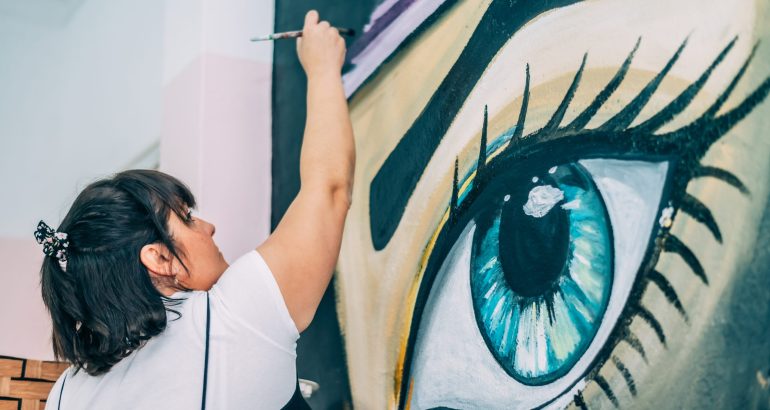
Color psychology plays a significant role here. Cool blues and greens can lower heart rates in high-stress departments. Conversely, warm oranges or yellows in a breakroom can encourage social interaction. By replacing “corporate beige” with custom murals, you provide the visual stimulation needed to stave off mental fatigue.
Solving the Open Office Privacy Paradox
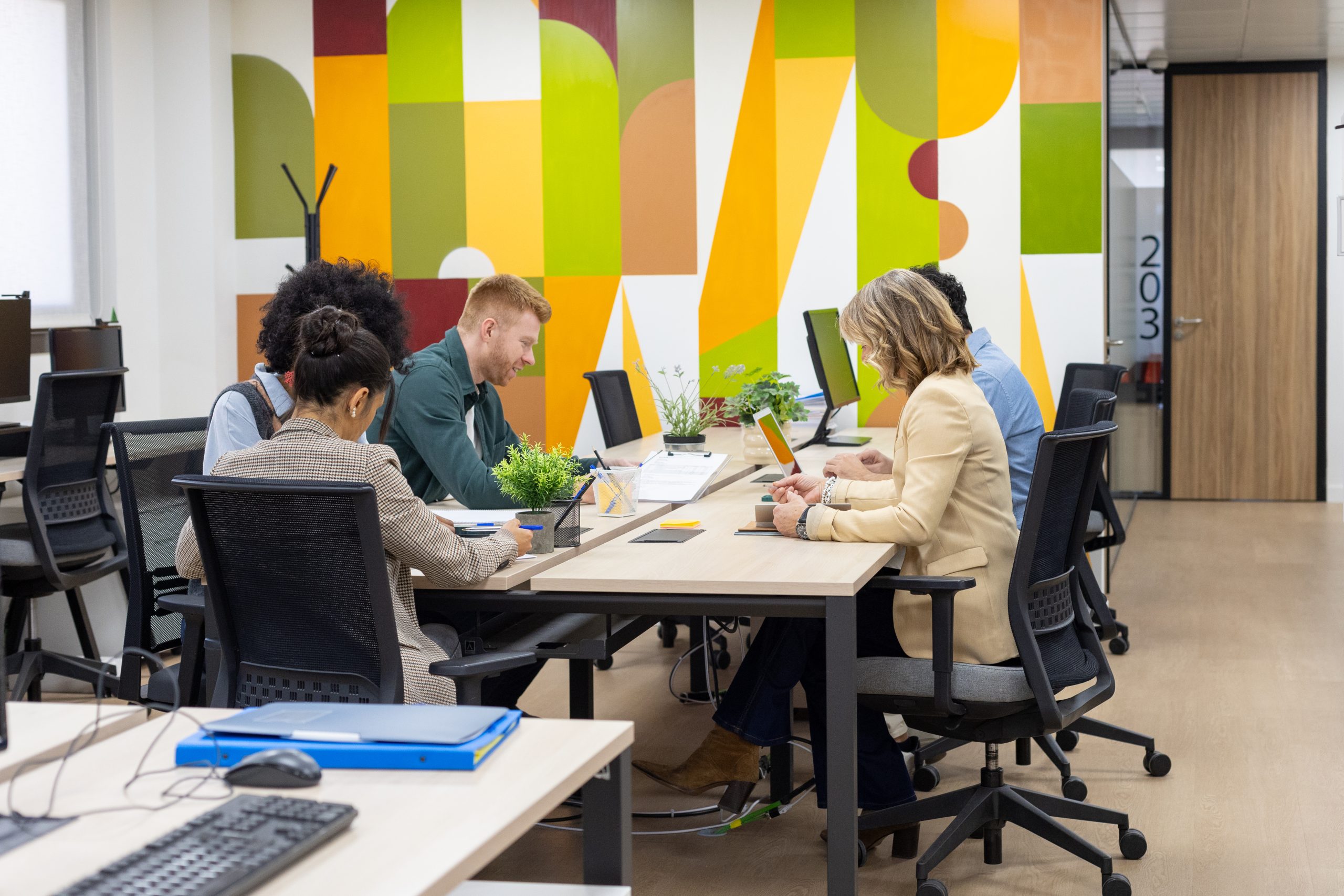
The move toward open-concept offices was intended to foster collaboration. However, many Canadian workplaces now face the “Privacy Paradox.” Employees feel exposed. Constant movement in their peripheral vision creates a cognitive load that makes deep focus nearly impossible.
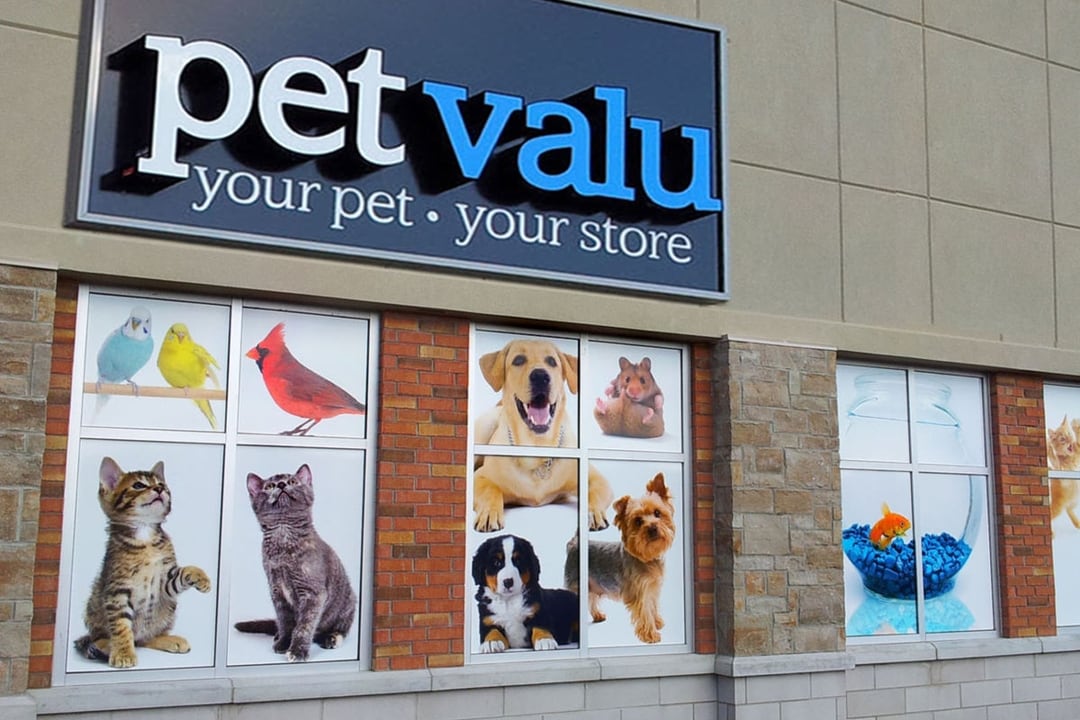
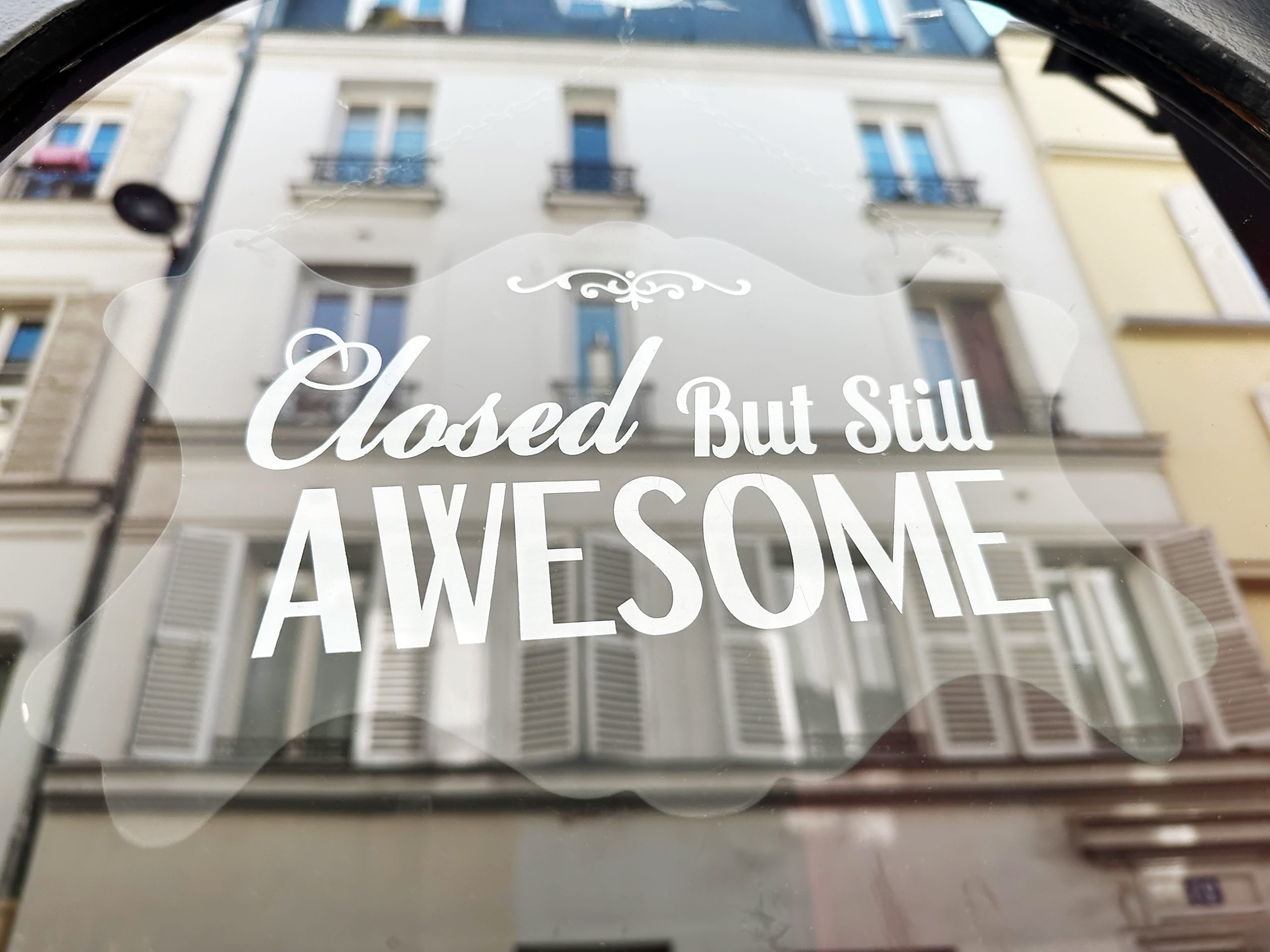
You do not need to build new walls to fix this. Environmental branding offers a clever workaround. By using frosted glass decals or strategically placed wall graphics, you create “visual anchors.” These elements break up vast lines of sight.
When an employee has a designated “zone” defined by graphics, they feel a greater sense of security. It creates a psychological boundary that allows them to focus on the task at hand without feeling like they are on display. This sense of “place” is a primary driver of daily job satisfaction.
High-Impact Environmental Branding
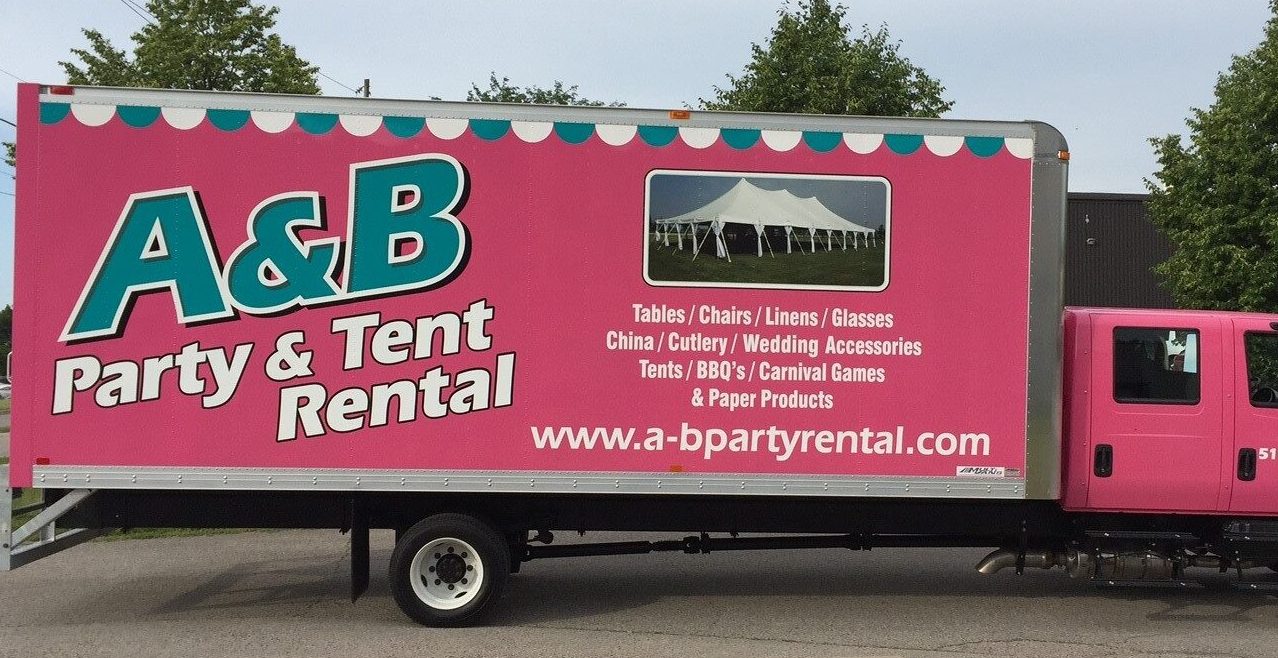
Beyond simple logos, environmental branding is about telling a story through your architecture. It turns a hallway into a timeline of your company’s success. It turns a cafeteria into a hub of inspiration.
When your brand is visible in the physical space, it reinforces the “why” behind the work. This is especially vital for new hires. Seeing the company’s values displayed boldly on a mural helps them integrate faster. It replaces the “Where Am I?” fatigue with a clear sense of belonging.
A well-branded environment also signals to clients that you are established and professional. It shows that you value your identity enough to make it permanent. This builds trust before a single word is spoken in a meeting.
Technical Excellence in Design
Successful wall graphics require more than a good image. They require an understanding of substrate compatibility and lighting. In Canada, office environments deal with fluctuating humidity and heating cycles. Using the right adhesive and laminate is the difference between a mural that lasts a decade and one that peels in six months.
Effective design also considers how people move through the space. You must account for door frames, light switches, and furniture placement. A mural should complement the room, not clutter it. Professional designers look at the “negative space” to ensure the graphic feels like a part of the building rather than a sticker slapped on top of it.
For a deeper look at the foundational principles of visual communication, you can read more about this philosophy on graphic design which highlights how intentionality changes user perception.

The ROI of Employee Wellness
Why spend a budget on walls when you could spend it on software? Because software doesn’t prevent burnout—the environment does. High-quality corporate wall graphics reduce the “drudgery” of the workday.
When your team feels proud of their physical office, they are more likely to invite clients in. They are more likely to collaborate in common areas rather than hiding at their desks. This increased social capital leads to better problem-solving and lower turnover rates.
In a competitive hiring market, your office is your best recruiting tool. Top talent in London, Ontario and beyond are looking for a “destination” office. They want a space that feels as comfortable and inspiring as their home environment, if not more so.
Practical Steps for Your Workspace
- Identify high-traffic areas where morale often dips, such as windowless corridors or cramped breakrooms.
- Choose a theme that reflects your core values rather than just trendy patterns.
- Consult with a graphics partner who understands the specific material needs of your walls, whether they are drywall, brick, or glass.
- Integrate wayfinding into your design to reduce the frustration of visitors and new staff.
- Use matte finishes to prevent glare from overhead office lighting, ensuring the graphics are easy on the eyes at all hours.
The shift from a bland office to an inspired one does not happen by accident. It requires a strategy that blends art with psychology. When you prioritize the visual health of your workspace, the morale of your team follows suit.
If you are ready to see how your walls can work harder for your business, contact us today for a consultation on your next project.
FAQs
What are the best materials for corporate wall graphics? Most indoor murals use high-tack vinyl with a matte or satin laminate. This prevents glare and allows for easy cleaning. For textured walls like brick or concrete, specialized heat-applied films are used to ensure the graphic conforms to the surface.
Can wall graphics be removed without damaging the paint? Yes. When using professional-grade removable or changeable vinyl, graphics can be taken down or updated without leaving adhesive residue or stripping the paint. This is ideal for leased office spaces.
How long does the installation process take? Most office murals can be installed in a single day. Larger projects or multi-floor branding may take longer, but the process is generally quiet and does not require closing the office or moving heavy machinery.
How do wall graphics help with office wayfinding? Wayfinding signage integrates your brand colors and fonts into directional cues. This makes it easier for people to find meeting rooms or restrooms while maintaining a cohesive look that feels less like a “sign” and more like part of the décor.
Do graphics work on glass partitions? Absolutely. Frosted or “etched” vinyl is very popular for glass office walls. It provides privacy for meetings while still letting natural light pass through, solving the visual distraction issue common in modern offices.