Outdoor visual marketing faces harsh elements across Canada. Unshielded signage quickly succumbs to intense sun, road salt, and freezing rain. Choosing an appropriate outdoor overlaminate finish preserves your financial investment. An overlaminate is a clear protective film applied over printed vinyl to block ultraviolet light, resist scratches, and prevent moisture damage.
Selecting a lamination finish involves more than protection. The film alters how light reflects off your graphics, directly impacting brand presentation. A bad choice can cause direct glare that makes phone numbers unreadable on a sunny afternoon.
Outdoor Overlaminate Finish Essentials
Unprotected ink degrades quickly outdoors. Direct exposure to solar radiation breaks down color pigments, causing noticeable fading within months. Road salt and environmental pollutants further accelerate graphic wear. Applying a clear protective barrier keeps graphics looking crisp over years of exposure.
Extending print life requires matching film chemistry to the vinyl base layer. Cast overlaminates work best for long-term outdoor applications and irregular curves. Polymeric films suit flat exterior walls or medium-term promotional signs.
Stopping Fading and Weather Wear
Quality overlaminates contain clear UV blocking additives. These compounds absorb damaging light wavelengths before they reach the printed ink layer. This protection keeps corporate branding colors accurate over long periods.
The protective layer seals the vinyl against water penetration. Freezing temperatures can turn trapped moisture into ice, leading to film cracking or premature adhesive peeling along graphic edges.
Matte vs Gloss Laminate Outdoor Signs
The debate between matte vs gloss laminate outdoor signs comes down to light management and color presentation. Each finish alters visual perception differently under natural outdoor lighting conditions.
Gloss Overlaminate Advantages and Drawbacks
Gloss film creates a shiny glass surface over prints. It enhances contrast and makes colors appear rich and saturated.
- Best For: Fleet vehicles, car wraps, and promotional decals needing maximum visual punch.
- Pros: Highlights dark colors, stays cleaner, and washes off dirt and road grime easily.
- Cons: Generates intense glare under direct sunlight, making text hard to read at specific viewing angles.
High-gloss surfaces shed water cleanly, carrying away loose dirt during rainstorms. This self-cleaning tendency makes gloss popular for commercial trucks and delivery fleets.
Matte Overlaminate Advantages and Drawbacks
Matte film features a micro-textured surface that scatters incoming light rays. This diffusion eliminates sharp reflections and mirror-like glare on outdoor displays.
- Best For: Storefront graphics, menu boards, and directional signage placed in direct sunlight.
- Pros: Delivers consistent readability from any viewing angle, even under harsh midday light.
- Cons: Slightly mutes dark color saturation and requires firmer scrub cleaning to remove oil and grime.
If your sign sits perpendicular to a busy street, matte film ensures passing drivers read your message clearly without blinding reflections.
Textured Overlaminates for High-Traffic Surfaces
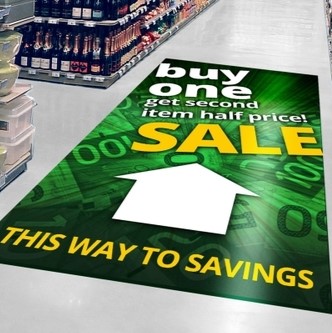
Standard smooth films fail quickly when applied to horizontal surfaces subjected to heavy foot traffic or equipment tires. Textured overlaminates solve this challenge with thick, heavy-duty construction. These rugged films feature pronounced surface patterns that offer excellent scuff resistance and non-slip safety.
- Outdoor Floor Graphics: Pavements, concrete walkways, and retail entry points require specialized anti-slip films to meet safety standards.
- Industrial Equipment Decals: Heavy machinery, agricultural equipment, and utility boxes benefit from textured shields that resist physical scrapes from tool belts and debris.
- High-Touch Architectural Panels: Exterior doors, push panels, and public kiosks maintain a clean appearance longer when protected by scuff-resistant films.
Matching Lamination Finishes to Your Project
Matching design intent with physical performance ensures your project succeeds in the field. When planning your brand visuals, establishing clear visual goals upfront prevents costly graphic re-prints down the line. As explained in Smashing Magazine’s guide on turning brand strategy into visual direction, align material choices directly with intended audience perception and practical environmental needs.
Commercial Fleets and Vehicles
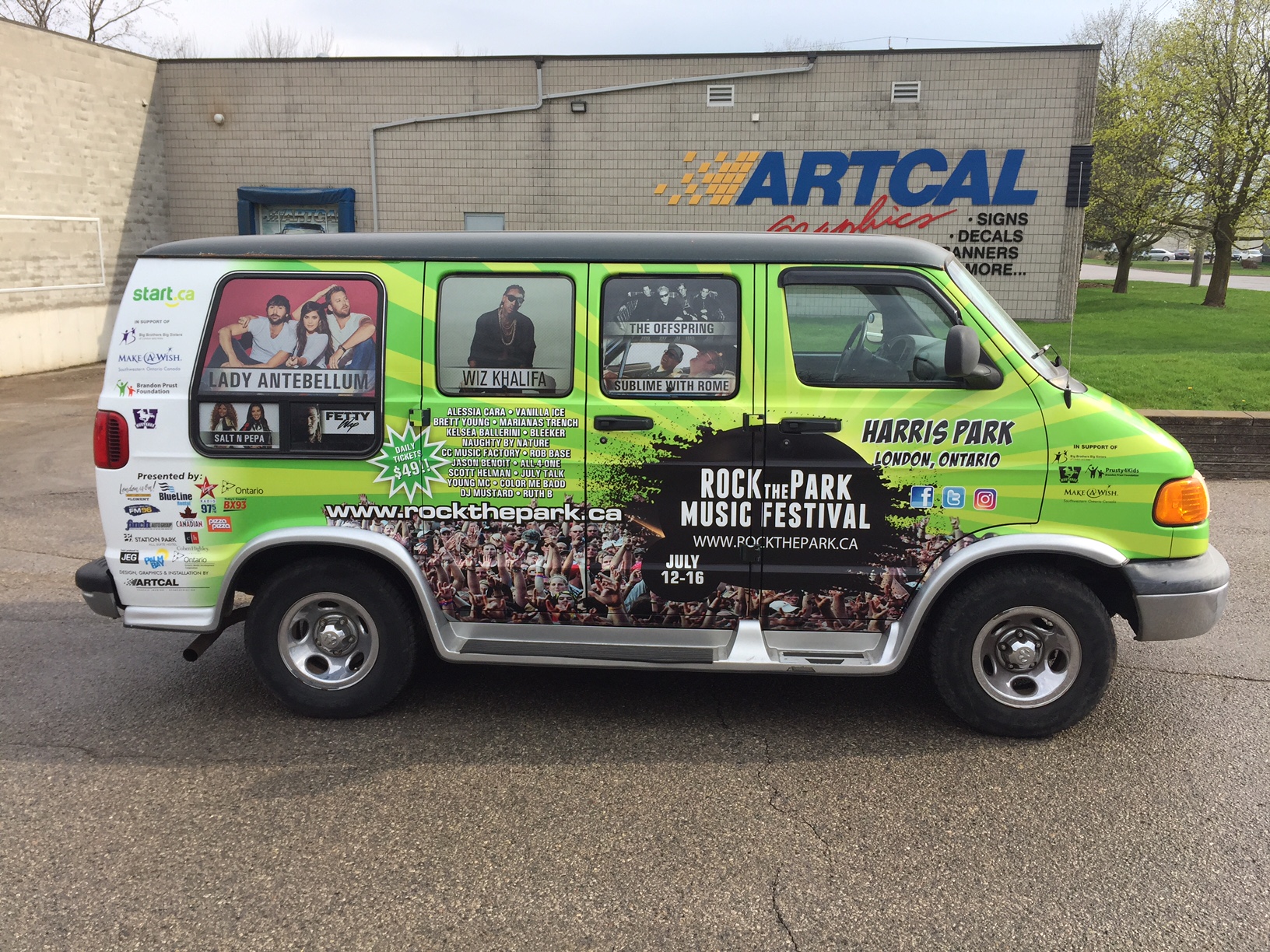
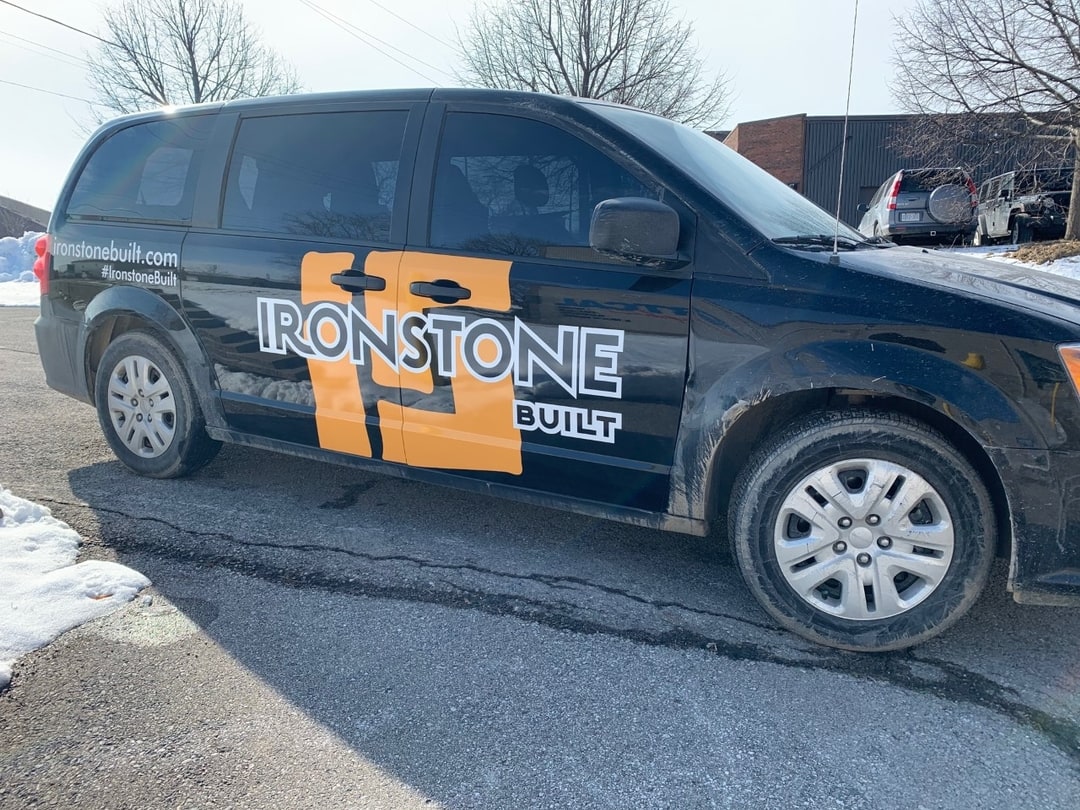
Vehicle graphics face constant wind drag, highway gravel, brush car washes, and harsh road chemicals. Gloss cast lamination remains the gold standard for full wraps and partial vehicle graphics. It accentuates body contours, keeps paint bright, and withstands routine fleet washing.
For specialized fleets like emergency vehicles, satin or semi-gloss finishes provide a balanced middle ground. They reduce blinding light flash while preserving strong daytime reflectivity.
Exterior Storefronts and Architectural Signage
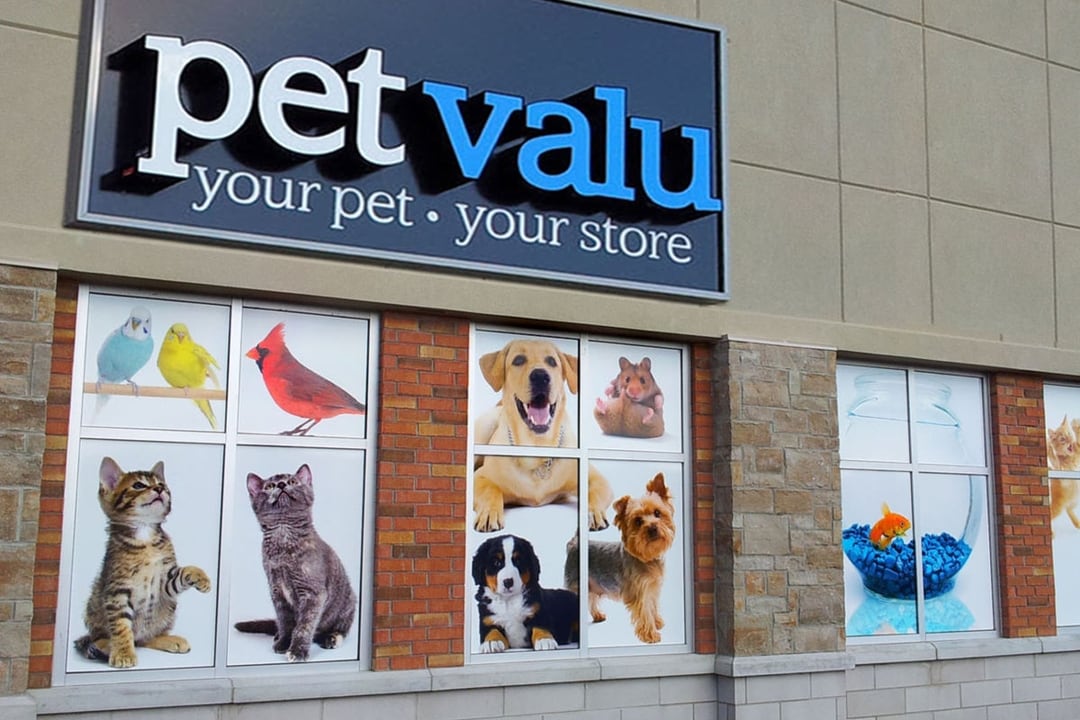
Storefront signs face variable sunlight angles throughout the day. A gloss exterior sign facing south can become unreadable during peak business hours. Using matte lamination on Artcal outdoor signage graphics guarantees high visual clarity from dawn until dusk.
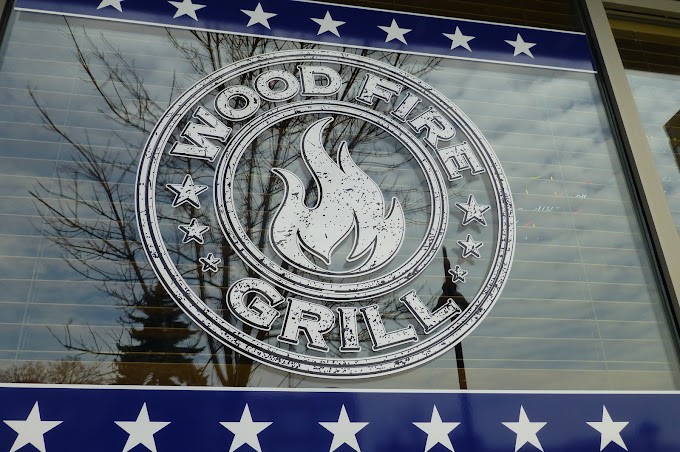
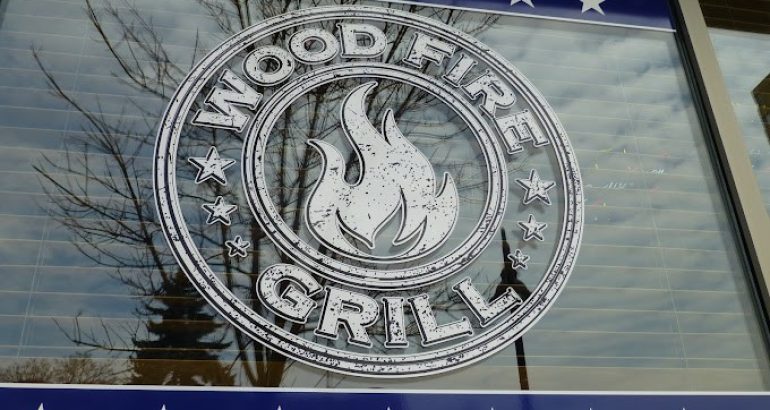
Window graphics also benefit from satin or matte lamination choices. They minimize glass reflection, letting passing pedestrians focus on your promotional message rather than their own reflections.
Custom Decals and Equipment Labels
Custom equipment stickers experience diverse physical stresses depending on their environment. Fuel pump stickers face solvent spills, while construction machinery decals deal with rock impacts and mud.
Using heavy-duty gloss or textured lamination on Artcal custom decals keeps hazard warnings legible and branding logos intact over years of field use.
| Finish Type | Glare Reduction | Color Vibrancy | Best Application |
| Gloss | Low | Maximum | Fleet Wraps |
| Matte | Maximum | Softened | Storefront Signs |
| Satin | Moderate | High | Window Displays |
| Textured | High | Moderate | Floor Graphics |
Canadian Winter Protection and Maintenance
Canadian winter conditions put graphics through extreme stress. Freezing temperatures, heavy snow accumulation, and road salt demand proper maintenance habits.
- Wash laminated graphics monthly using mild soap, warm water, and clean microfiber towels.
- Never use abrasive scrubbers or sharp ice scrapers directly over graphic edges.
- Avoid high-pressure power washing closer than 30 centimeters to vinyl seams, and keep spray nozzles perpendicular to the graphic surface.
- Rinse away accumulated road salt quickly during spring thaws to prevent long-term chemical etching on gloss surfaces.
Proper care extends print life, keeping your outdoor graphics vibrant for years.

Make Your Outdoor Prints Last with Artcal
Selecting the proper outdoor overlaminate finish protects your branding investments. Choosing between gloss, matte, or textured finishes determines how well your signs perform against sun, weather, and traffic.
Artcal Graphics & Printing brings over 47 years of commercial printing expertise to every project. Our production team tests films against harsh weather to deliver long-lasting graphic performance. Contact our sign specialists today to discuss material options for your next project.
FAQs
What is the main difference in the matte vs gloss laminate outdoor signs debate? Gloss laminates maximize color contrast and shed dirt easily, making them ideal for vehicles. Matte laminates eliminate direct glare from sunlight, ensuring outdoor storefront signs remain readable from every angle.
Does matte overlaminate make printed colors look dull? Matte film scatters light across its surface, slightly softening deep blacks and dark tones. However, it preserves graphic legibility in bright sunlight, trading a small amount of color saturation for superior readability.
How long does an outdoor overlaminate finish typically last? A premium cast overlaminate lasts between 5 to 7 years outdoors under normal weather conditions. Intermediate monomeric or polymeric films usually last between 1 to 3 years before showing signs of UV degradation.
Can I pressure wash outdoor laminated graphics? Yes, but use caution. Keep spray nozzles at least 30 centimeters away from the graphic surface, maintain water pressure below 1200 PSI, and hold the spray stream perpendicular to prevent edge lifting.