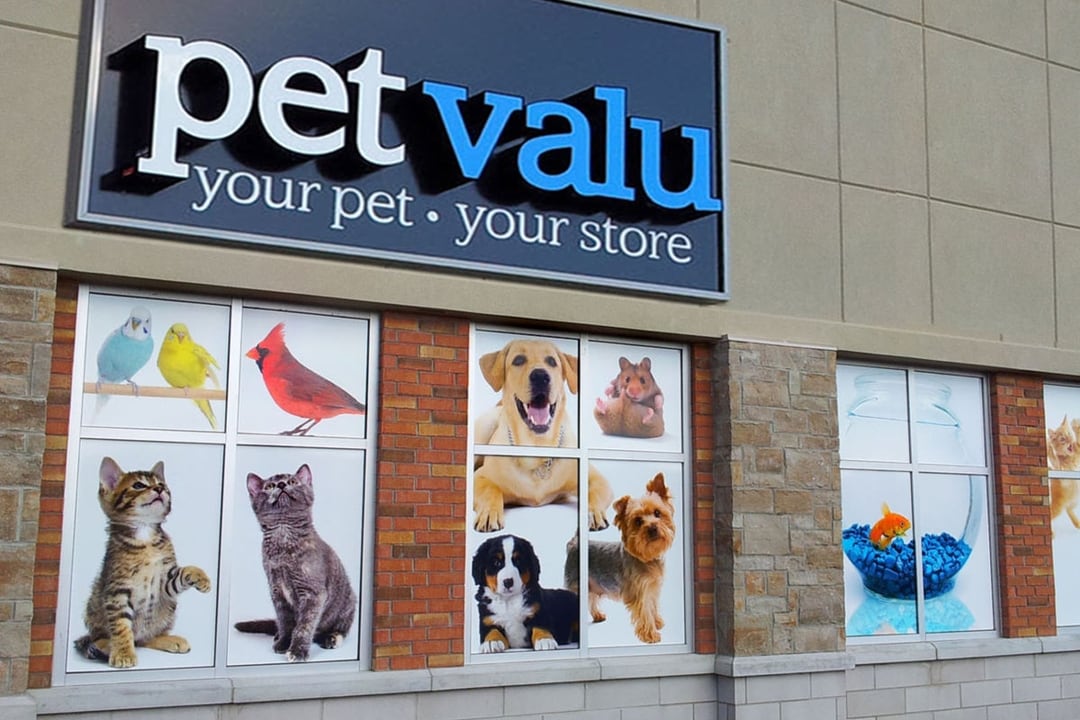
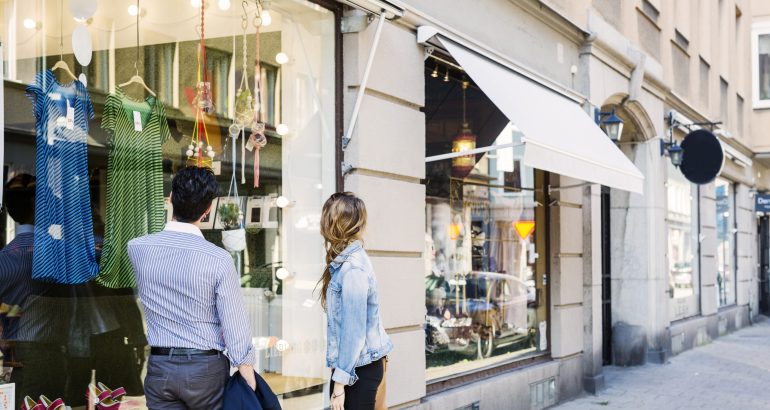
Every day, thousands of pedestrians and drivers pass by your business location. If those passersby walk past your door and head straight into the shop next door, your physical location suffers from storefront blindness.
Street-level retail relies heavily on fast visual recognition. When your exterior presence lacks high-contrast visuals, clear messages, or professional branding, potential sales walk away. Updating your commercial layout with custom retail window graphics transforms unused glass into an active marketing engine.
The Hidden Cost of Storefront Blindness
Physical stores fight for attention on busy commercial streets. When your building facade looks identical to every other location on the block, consumers subconsciously skip over your business.
Retail research shows that buyers form an impression of a retail business in less than three seconds. If your storefront fails to communicate what you sell within that brief moment, pedestrians continue walking.
Building a resilient business requires treating your exterior space like a high-converting digital homepage. Smart financial adjustments for business owners often begin with maximizing existing assets, such as turning physical property into a lead generator. Reviewing actionable financial fixes to implement as an entrepreneur reveals that physical infrastructure optimization delivers high long-term returns.
1. Your Windows Are Blank, Dark, or Cluttered
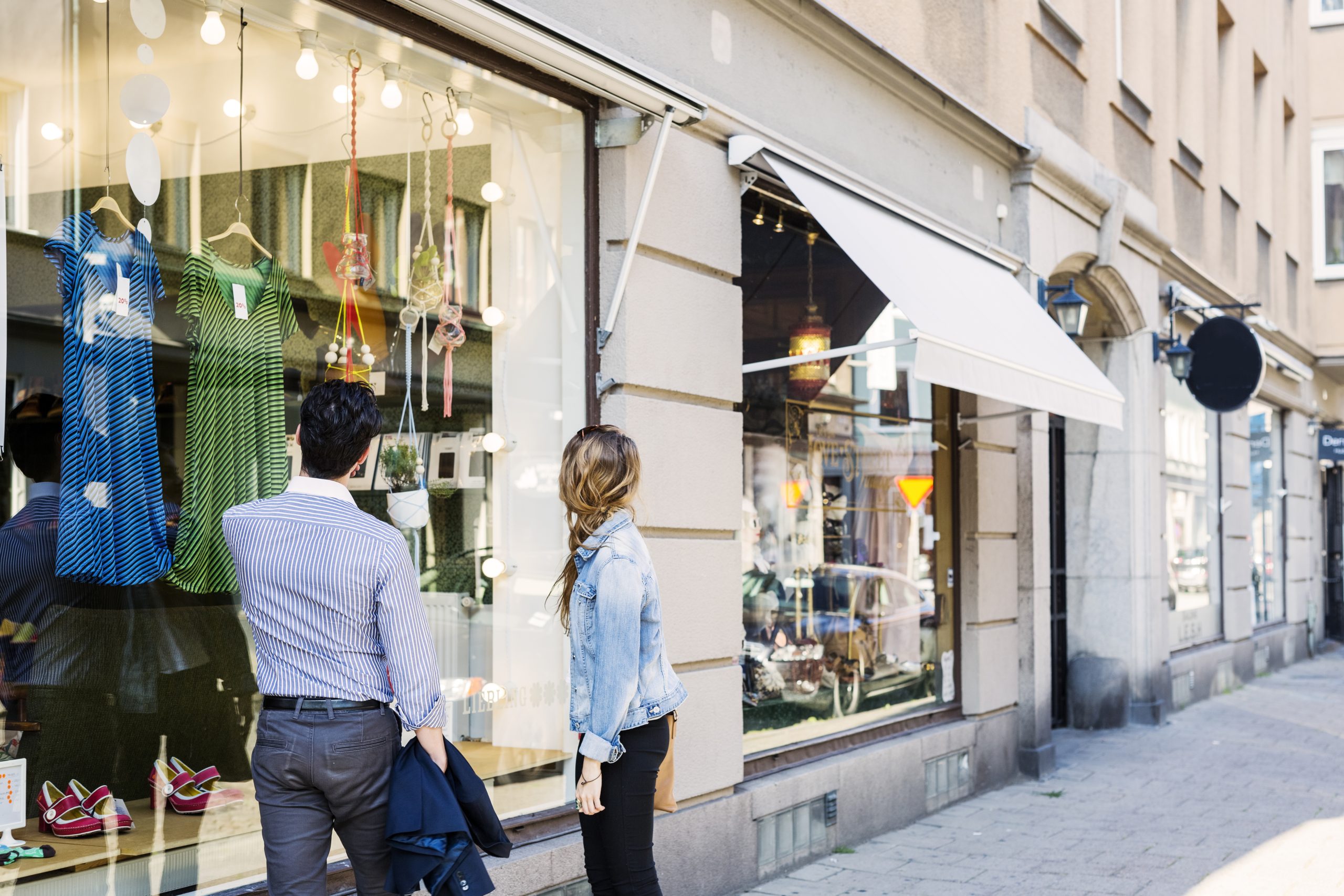
Large pane windows are prime advertising real estate. Leaving them completely bare, covering them with heavy dark tint, or taping up paper flyers creates major conversion barriers.
Bare glass reflects street glare, making your interior look dark or closed from across the street. Paper signs tear, curl, and signal a lack of quality.
Strategic Window Displays That Convert
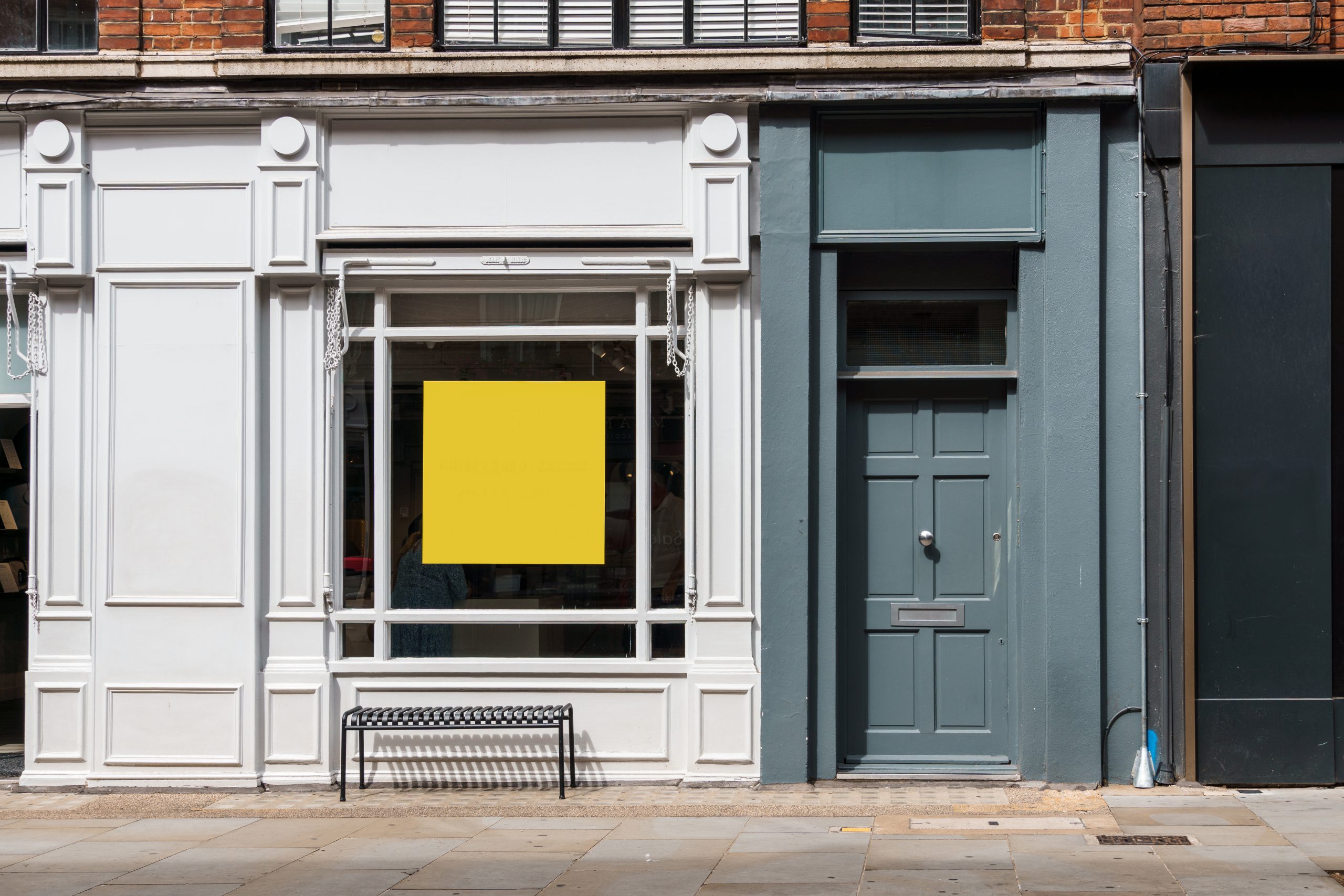
Applying professional window wraps fixes visibility issues while maintaining interior comfort.
- Perforated Vinyl (One-Way Vision): Displays full-color marketing graphics on the outside while allowing clear viewing from the inside out.
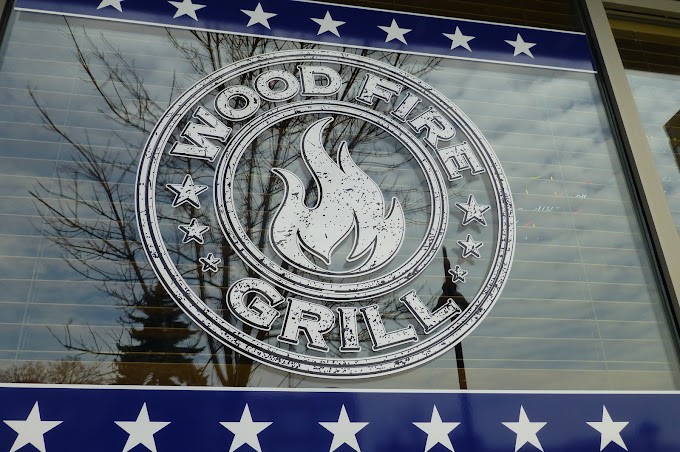
- Cut Vinyl Graphics: Highlights store hours, logo branding, and primary service offerings cleanly.
- Etched Frost Films: Offers an elegant, high-end privacy layer for professional service offices and salons.
2. Flat Signage Blends Into the Building
A flat aluminum or vinyl sign mountedflush against a brick facade easily blends into the background architecture. When neighboring stores feature push-through acrylic, raised channel letters, or lit signs, flat graphics get overshadowed.
Outdoor visibility requires depth and contrast. If your primary building marker lacks dimension, passersby simply fail to see it.
Dimensional Lettering and Illumination Benefits
Adding depth changes how light hits your storefront throughout the day.
Using dimensional 3D lettering creates natural shadows that pop against exterior walls. Pairing raised lettering with LED halo lighting ensures your business stands out during evening hours and overcast weather. Exploring professional outdoor signage strategies helps establish an exterior look that outshines surrounding competition.
3. Pedestrians Miss Your Main Entrance
Busy commercial districts present constant visual noise. If your entry door sits tucked inside a recessed alcove or behind structural columns, foot traffic will miss your entrance entirely.
When people feel uncertain about where to enter, they keep moving toward clearer options.
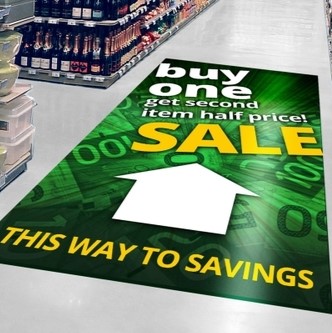
- Directional Floor Decals: Certified anti-slip ground graphics lead foot traffic directly from the public sidewalk to your front door.
- Entrance Frame Wraps: High-contrast vinyl wraps around door frames highlight entryways clearly.
- Blade Signs: Projecting signs mounted perpendicular to the building capture sightlines from pedestrians walking parallel to your shop.

4. Outdoor Weather Has Worn Down Your Branding
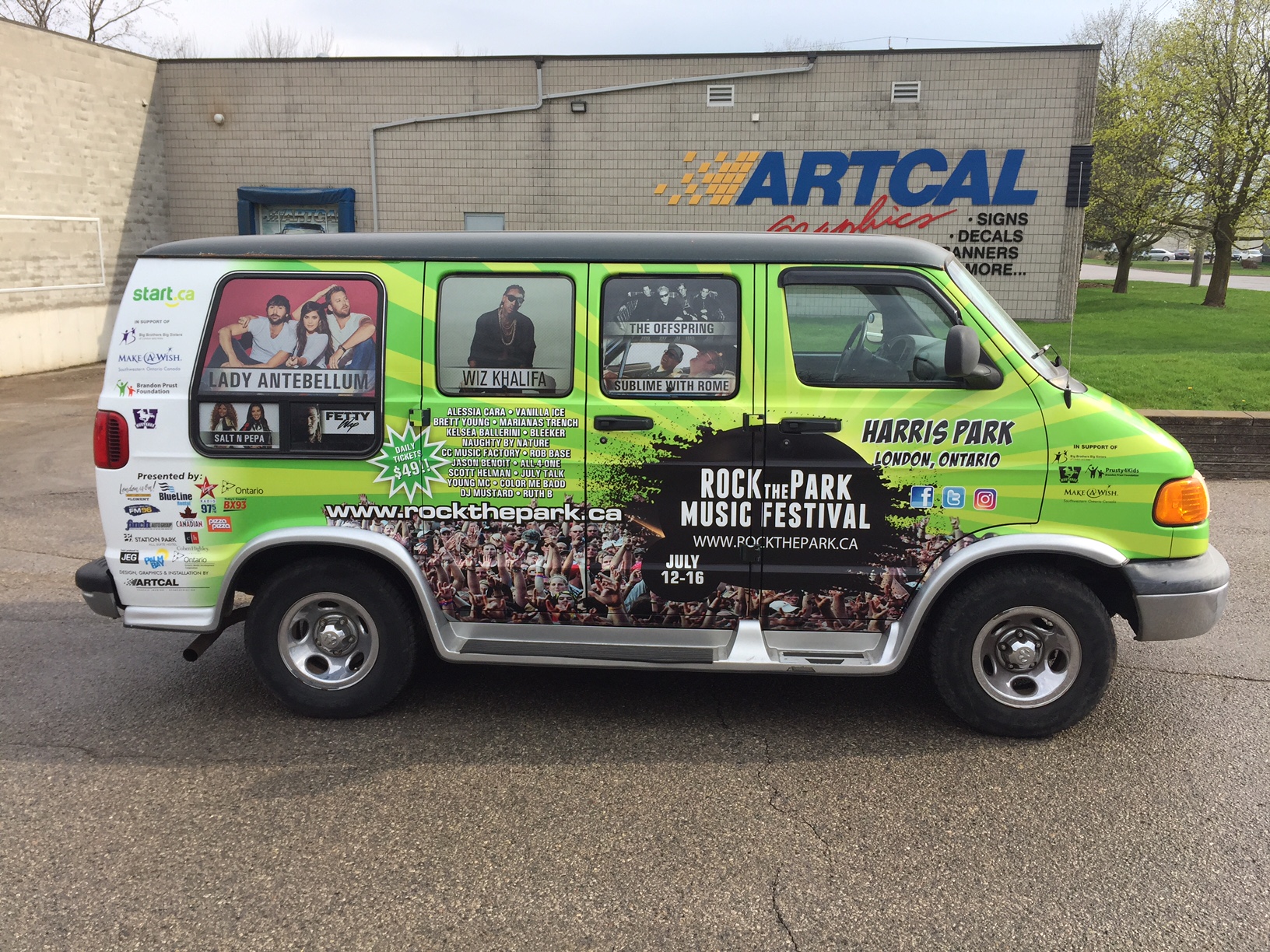
Canadian weather takes a heavy toll on outdoor marketing materials. Rapid temperature shifts, harsh road salt, and UV exposure quickly degrade cheap promotional products.
Faded colors, cracked vinyl, and peeling corners send bad signals to buyers. Customers assume that low-quality exterior maintenance reflects low-quality service inside.
High-grade cast vinyl combined with UV-protective laminates keeps your branding crisp through freezing winters and hot summers. Investing in commercial-grade materials prevents early replacement costs and protects your brand image.
5. Your Message Takes Longer Than 3 Seconds to Read
Passing drivers and walking shoppers will not stop to read long paragraphs or small fonts on exterior walls. Trying to list every product or service creates visual clutter that gets ignored entirely.
Strong storefront design uses clear hierarchy and minimal text.
Focus on three key elements: your business name, your core offering, and a clear call to action. Keep main graphic fonts bold, high-contrast, and large enough to read from 30 feet away.
Proven Storefront Signage Strategies for High-Traffic Streets
Fixing storefront conversion issues does not require a complete architectural overhaul. Strategic graphic upgrades deliver fast, dramatic results.
Follow these practical steps to optimize your building facade:
- Step Back across the Street: View your business from across the road at both daytime and nighttime. Identify where your vision naturally goes.
- Audit Your Competitors: Note what makes neighboring storefronts stand out—whether it is lit signs, clean windows, or bold color usage.
- Upgrade Your Windows: Replace taped paper signs and dark glass with custom perforated window film and high-contrast cut vinyl.
- Guide Foot Traffic: Add sidewalk A-frame signs or durable ground graphics to catch eye-level attention.
- Partner with Print Specialists: Work with experienced graphic manufacturers who understand material performance, local sign permits, and professional installation.
Transforming empty storefront glass into an eye-catching branding asset is one of the fastest ways to turn passing foot traffic into daily store revenue.
FAQs
How long do commercial window graphics last outdoors?
High-quality cast vinyl graphics with protective overlaminates last between 3 to 5 years outdoors under normal Canadian weather conditions. Proper surface cleaning and professional installation prevent premature peeling or bubbling.
Will perforated window vinyl block sunlight from entering my store?
Perforated film filters harsh glare and reduces solar heat while allowing natural ambient light to pass through. From inside, you maintain clear views of the street outside.
Do I need municipal permits for storefront window graphics?
In most Canadian municipalities, applied window decals and temporary promotional graphics do not require structural building permits. Permanent illuminated signs, projecting blade signs, or structural additions typically require local municipal sign permit approvals.
What is the difference between cast vinyl and calendered vinyl for window graphics?
Cast vinyl is thinner, highly durable, and resists shrinkage, making it ideal for long-term outdoor exposure. Calendered vinyl is thicker and works best for short-term promotional graphics or indoor applications.